Grace (Final Part): From Revelation to Transformation
In this final piece on Grace, it is important to understand what everything we have discussed means for us as believers. But first, let us briefly summarize what we have covered throughout this series.
- In the first part, we established that Grace is not a New Testament concept. Grace is, and has always been, an essential part of God's character.
- In the second part, in our discussion of John 1:17, we explained that Truth is not the opposite of Grace. Rather, Grace is the true revelation of God's character. This is what we believe John was communicating to us.
- In the third part, we explained that the Grace of God, which reflects His character, is expressed through Salvation, Creation, and the Holy Spirit, the third Person of the Trinity.
- In the fourth part, we explained that God's Grace is entirely about Him and His character. It can neither be increased nor decreased by the sins we commit or refrain from committing.
- In the fifth part, we argued that the Mosaic Law is fallible and cannot be fully attributed to God. We also explained that God's Grace, revealed through Jesus Christ, is the true revelation of His character in Scripture.
- In the sixth part, we explained that the Mosaic Law cannot be mixed with the reality of the New Jerusalem, which has been made possible through the Grace of God.
Why Are We Talking About Grace?

We live in an interesting era where the Word of God and the character of God have been grossly twisted to fulfill selfish and evil desires. Good is now being labeled as evil or a lack of principles, while evil is being presented as a deep revelation of Scripture or a means to a good end. Even though Jesus clearly stated that His Kingdom is not of this world, we still have preachers who are colluding with evil leaders, using the Bible to justify some of the most despicable crimes in the history of the world in the name of God.
Even though Jesus said He did not come to destroy lives, many believers still see God as a killer who apparently commanded genocide in the Old Testament. Many have come to see God as a jealous, angry psychopath who is constantly looking for ways to kill His own creation.
Churches are actively preaching a transactional Gospel in which people are told they must pay money to gain special access to certain aspects of God's Grace. Others are taught that they must serve in the church to earn God's acceptance.
It is our responsibility as believers to study the Scriptures and fully understand the character of God. We hope that through this series, we have inspired you to continue studying and discovering God's gracious character every day.
Believer’s Response to the Grace (Character) of God.
Revelation — Seeing Christ
Our response to Grace begins with the revelation of God through Jesus Christ. Jesus is the perfect expression of who God is, revealing His love, mercy, kindness, and character. In John 14:9, Jesus told Philip, "He that hath seen me hath seen the Father." The more we come to know Jesus, the more we understand the nature of God and the Grace He has shown us.
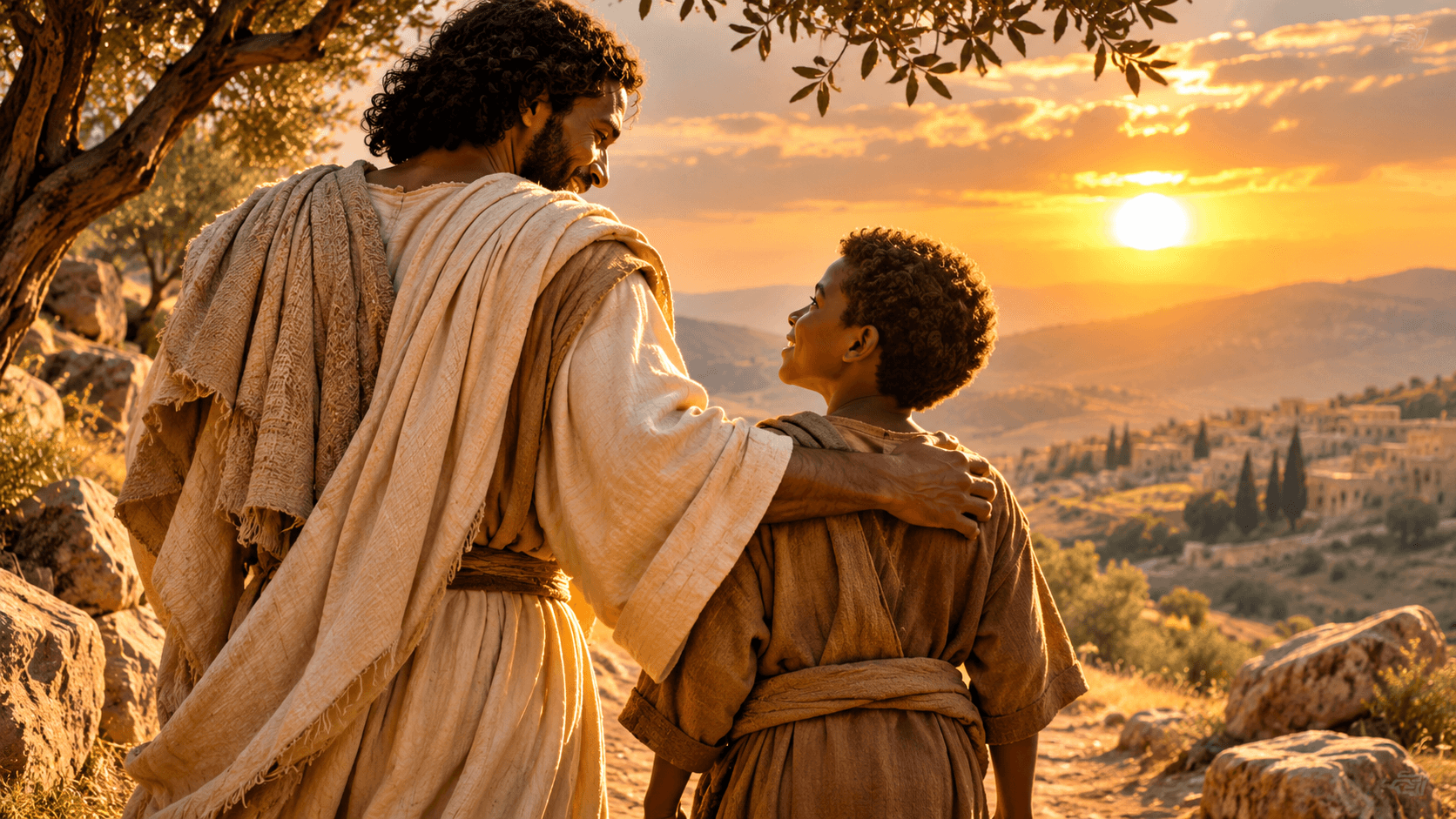
Just as a son who spends time with his father begins to understand his father's character by watching how he speaks, behaves, and treats others, we come to know God by looking at Jesus. This revelation changes how we see God, ourselves, and others. We begin to understand that God's love and acceptance are not things we earn through our efforts, but gifts of His Grace. And as our understanding of God changes, so does the way we relate to Him. This is where revelation leads us into freedom.
Freedom — Living Without Condemnation
As we come to understand God's Grace revealed through Jesus Christ, we begin to experience the freedom that comes with it. In Romans 8:1, Paul declares that there is now no condemnation for those who are in Christ Jesus. This means we no longer have to live under the fear of punishment or the constant pressure to earn God's acceptance through our performance. Instead, we can approach Him with confidence, knowing that we have been accepted through Christ.
Hebrews 4:16 encourages us to come boldly to the throne of Grace to receive mercy and find help in times of need. This freedom changes our relationship with God. We no longer see Him primarily as someone waiting to punish us for our failures, but as a loving Father who welcomes us into His presence. However, freedom from condemnation does not mean freedom to live however we please. Rather, it allows us to relate to God through love and trust instead of fear. And as we continue to behold the God who has freely accepted us in Christ, the Holy Spirit begins to shape our hearts and desires to reflect His character. This is how freedom leads us into transformation.
Transformation — Becoming Like Christ
As we grow in our understanding of Christ, something beautiful begins to happen within us. In 2 Corinthians 3:18, Paul explains that as we behold the glory of the Lord, we are being transformed into His image by the Spirit. This transformation is not simply the result of our efforts to become better people or follow religious rules. It is God Himself working within us. Paul makes this clear in Philippians 2:13 when he says, "For it is God which worketh in you both to will and to do of his good pleasure." In other words, God does not simply show us how to live and leave us to accomplish it on our own. He works within us, changing our thinking, shaping our desires, and giving us the ability to do His will.
This is also what Paul meant in Titus 2:11–12 when he said that the Grace of God teaches us to reject ungodliness and live righteous lives. Grace does more than forgive our sins; it trains us and transforms us from within. And when God begins to change how we think, what we desire, and how we see others, that inward transformation naturally begins to show in how we live. This is where transformation becomes expression.
Expression — Reflecting Christ

The Grace that reveals Christ to us, frees us from condemnation, and transforms us from within eventually finds expression in our everyday lives. As the Holy Spirit works within us, the character of Christ begins to show in how we speak, behave, and treat others. We become more loving, patient, kind, forgiving, and compassionate. In Galatians 5:22–23, Paul describes these qualities as the fruit of the Spirit, showing that they are the result of the Spirit's work within us. This is also why Paul tells us in Ephesians 4:32 to forgive one another just as God has forgiven us through Christ. We extend Grace because we have received Grace.
Likewise, Ephesians 2:8–10 reminds us that although we are saved by Grace and not by works, we are created in Christ Jesus for good works. Our actions, therefore, are not attempts to earn God's approval, but expressions of what His Grace is producing within us. We do not live righteously to become accepted by God; we live differently because we have been accepted in Christ and His Spirit is working within us. Our response to Grace is ultimately a reflection of God's own work in our lives. These are ongoing processes.
In Conclusion
As we conclude this series, one truth stands above everything else: God's Grace is a revelation of His character, perfectly expressed through Jesus Christ. His Grace is not something we can purchase, earn, increase, or diminish through our actions. It is who He is, and it is through that Grace that He has brought us salvation, freedom, and new life. As we come to know Him, His Spirit works within us, transforming our hearts and producing a life that reflects His character. Our response to Grace is therefore not an attempt to earn God's love, but an expression of the love we have already received.
If you are not yet part of God's family, we invite you to come to this good and gracious God revealed in Jesus Christ. Believe in Him, who came, died, and rose again on the third day for our redemption. His Grace is freely given, and His invitation is open to you.