Sabbath to Jubilee: Rest Fulfilled in Christ
To further drive home the concept of rest, God also introduced the Sabbatical Year and the Year of Jubilee to the Israelites.
In the Old Testament, the Sabbatical Year was observed every seventh year. During this year, the land was to rest from cultivation, and the people were commanded not to sow or reap their fields (Leviticus 25:1–7). Debts were released, and the poor were allowed to eat freely from what the land produced on its own (Exodus 23:10–11; Deuteronomy 15:1–2).

The concept of Jubilee is a further explanation of the Sabbath. We can see more about this in Leviticus 25:8–9, Leviticus 25:13, and Leviticus 25:39–41. In the Old Testament, the Year of Jubilee was the fiftieth year, following seven cycles of sabbatical years. It was after seven cycles of sabbatical years (7 × 7 = 49 years). It was a year set apart by God in which liberty was proclaimed throughout the land. During Jubilee, debts were released, slaves were freed, land was returned to its original families, and the people rested from agricultural labor (Leviticus 25). So essentially, Jubilee is derivative of the Sabbath.
This is the basis of our theology: everything in the Old Testament points to Jesus. So, the Sabbath and Jubilee point to Jesus Christ. Paul explicitly wrote about this, as shown below:
Colossians 2:16–17 (NIV); “Therefore do not let anyone judge you by what you eat or drink, or with regard to a religious festival, a New Moon celebration or a Sabbath day.
These are a shadow of the things that were to come; the reality, however, is found in Christ.”
Sabbatical Year and Jesus
In the seventh year, God commanded rest for the land. He instructed no sowing or pruning, no organized harvesting, and the land was allowed to rest (Leviticus 25:4–5). By now, we know that this is a direct prophecy that points to our New Covenant with God through Jesus. We are to rest from all works. We explained in the previous content that this is resting from “creative” work. This is illustrated by sowing and pruning.
Whatever grew naturally could be eaten. This was available to landowners, servants, foreigners, and animals (Exodus 23:10–11; Leviticus 25:6–7). The idea is ceasing from work. God is directly responsible for the feeding of His children in the Sabbatical Year.
As Paul explained in Colossians 2:17, the reality of this is found in Christ. Jesus, through the Holy Spirit, is directly responsible for our development and growth in Him. Our job is to abide in Him, which simply means we should have faith in Him.
John 15:4–5 (NIV): Remain in me, as I also remain in you. No branch can bear fruit by itself; it must remain in the vine. Neither can you bear fruit unless you remain in me. I am the vine; you are the branches. If you remain in me and I in you, you will bear much fruit; apart from me you can do nothing.”
The fruit of the Spirit is produced by the Holy Spirit by rest and not by works. The same concept was prophesied through immersion (water baptism), as we explained here.
Creditors were required to release fellow Israelites from debts in the Sabbatical Year (Deuteronomy 15:1–2). This is directly pointing to Jesus paying our debt.
Colossians 2:13–14 (NIV) “.... He forgave us all our sins, having canceled the charge of our legal indebtedness, which stood against us and condemned us; he has taken it away, nailing it to the cross.”
The poor were allowed to eat freely from the land during the Sabbatical Year. The year functioned as social and economic relief (Exodus 23:11). Again, this is directly pointing to Jesus.
Luke 4:18 (NIV) “The Spirit of the Lord is on me, because he has anointed me to proclaim good news to the poor.”
Matthew 5:3 (NIV): “Blessed are the poor in spirit, for theirs is the kingdom of heaven.”
Israelites who had sold themselves into service were released after six years (Exodus 21:2).
Exodus 21:2 (NIV): “If you buy a Hebrew servant, he is to serve you for six years. But in the seventh year, he shall go free, without paying anything.”
This is the Gospel in a nutshell.
The Year of Jubilee and Jesus
In the fiftieth year (after 7 × 7 years), liberty was proclaimed throughout the land, and this applied to all inhabitants. This sends the message of celebration. It is good news. It is not a sad occasion. The year of the Jubilee is a celebration. This points directly to Jesus. Jesus explained this when He said that the angels rejoice over every sinner who gives his or her life to Him (Jesus Christ).
in the year of the Jubilee, each person returned to their own property. Land that had been sold was restored to the original family (Leviticus 25:10, 13, 28). We covered this extensively here. The concept of returning to the land is about regaining intimacy with God. This is the idea of returning to Zion.
Israelites who had sold themselves into servitude were freed in the Year of Jubilee. Families were restored together, “back to their own clans and to the property of their ancestors.” Essentially, God commanded total restoration. All of these foretells the death, burial, and resurrection of God Himself in human form.
2 Corinthians 5:17-19 (NIV); 17 Therefore, if anyone is in Christ, the new creation has come:[a] The old has gone, the new is here! 18 All this is from God, who reconciled us to himself through Christ and gave us the ministry of reconciliation:
Conclusion;
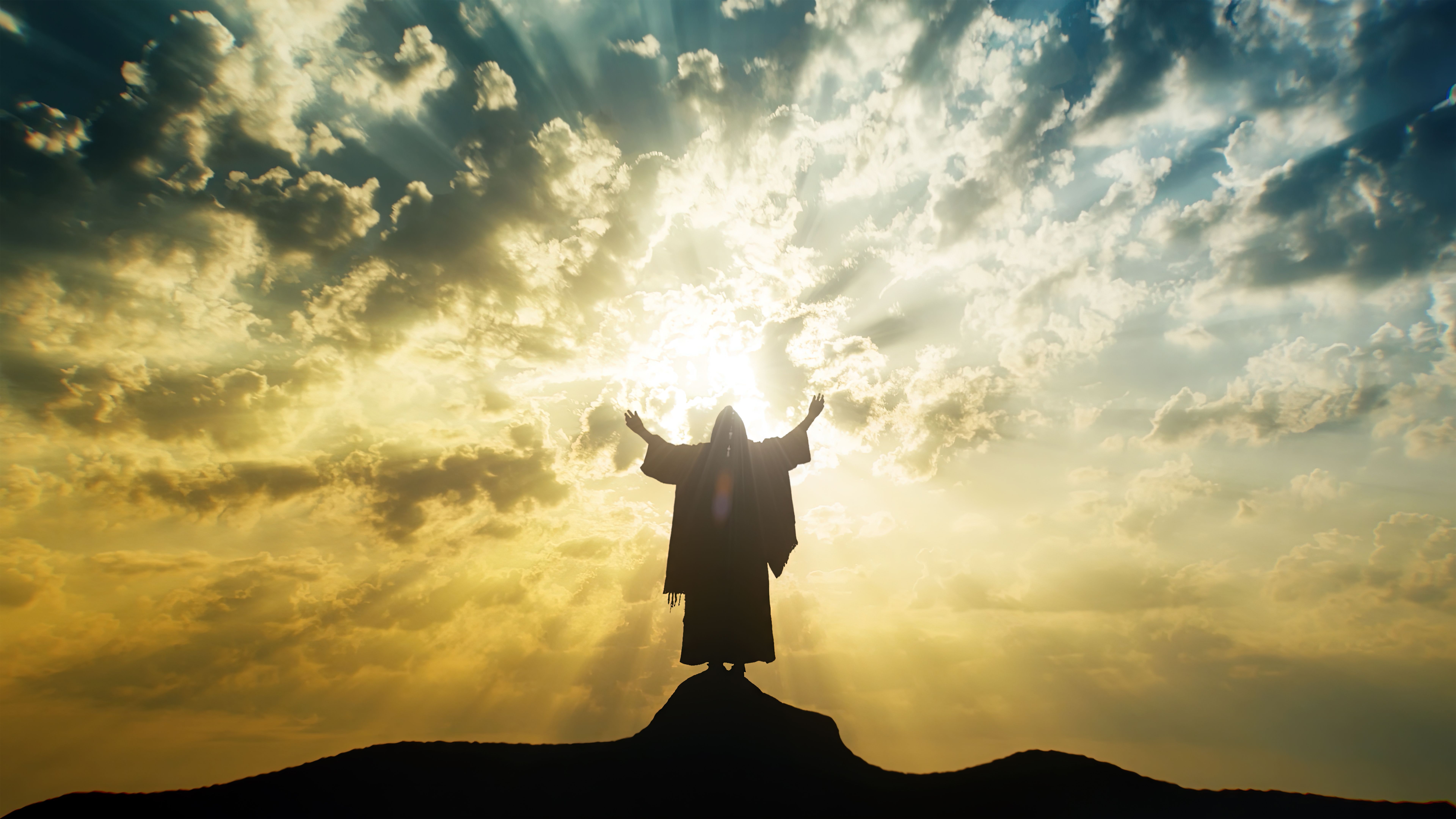
God further explained the concept of salvation by introducing the Sabbath day, the Sabbatical Year, and the Year of Jubilee. The message is the same: salvation by faith in Jesus. We enter rest when we put our faith in Jesus. The idea behind rest is that God restores us back to a place of intimacy with Him strictly through His own doings. It is a gift.
Hebrews 4:2–3 (NIV) “Now we who have believed enter that rest.”
Jesus explained His mission by quoting from Isaiah:
Isaiah 61:1–2 (NIV) “The Spirit of the Sovereign Lord is on me, because the Lord has anointed me to proclaim good news to the poor. He has sent me to bind up the brokenhearted, to proclaim freedom for the captives and release from darkness for the prisoners…”