The Adulterous Wife and the Faithful God
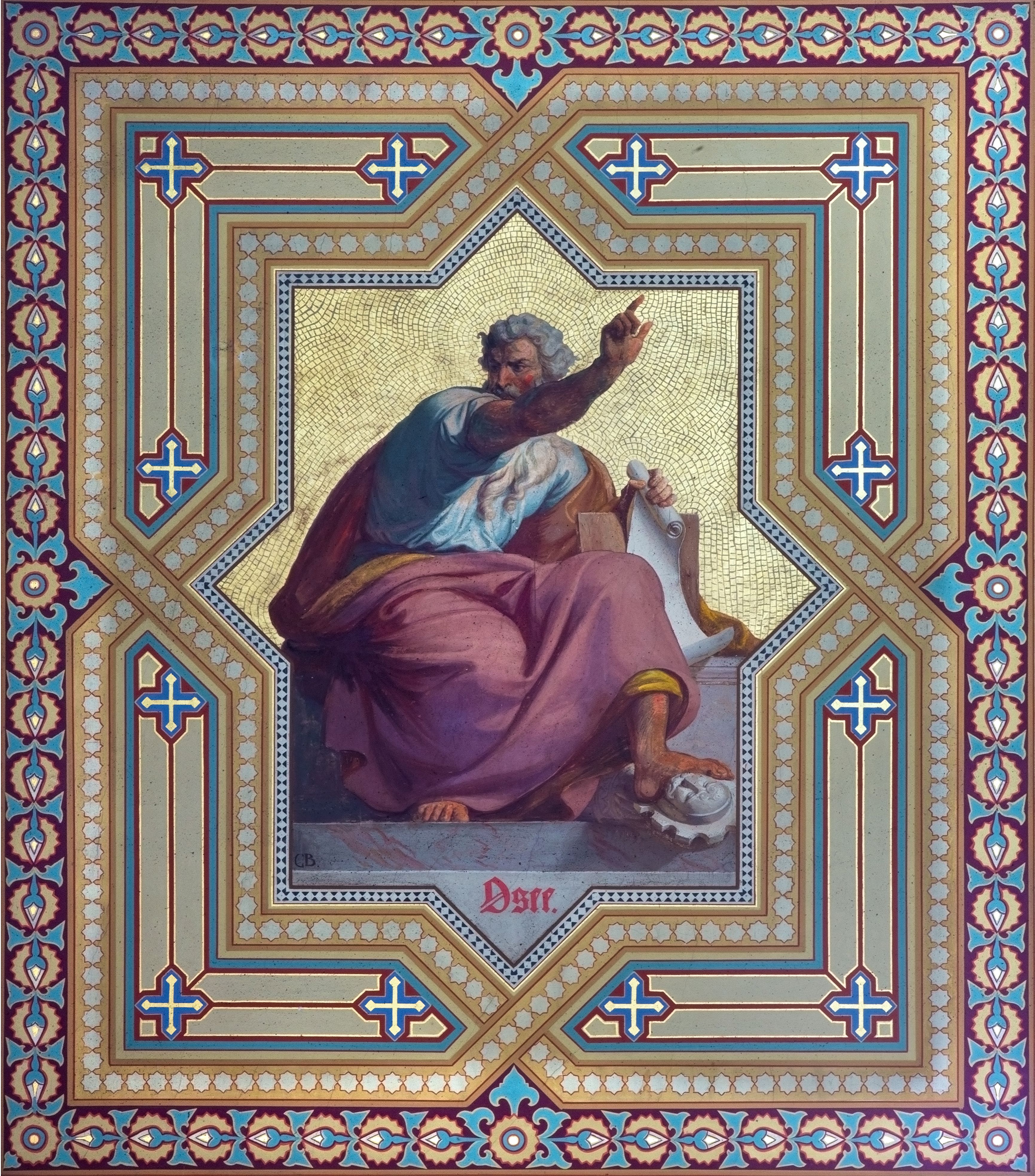
The book of Hosea opens with one of the most unsettling commands in Scripture: “Go, take to yourself a wife of whoredom and have children of whoredom” (Hosea 1:2). God commands the prophet Hosea to marry Gomer, a prostitute, as a living sign of Israel’s spiritual condition. Just as Gomer would prove unfaithful to Hosea, Israel had been unfaithful to the Lord—pursuing other gods despite being bound to Him by covenant. The names of their children—Jezreel, Lo-Ruhamah (“No Mercy”), and Lo-Ammi (“Not My People”)—were prophetic declarations of coming judgment against the Northern Kingdom for its persistent idolatry and rebellion (Hosea 1:4–9).
Historically, Hosea was sent by God to prophesy to the Northern Kingdom of Israel during the 8th century BCE, roughly between 755–722 BCE, in the final decades before Israel’s fall to Assyria (2 Kings 17). His ministry spanned the reigns of several kings, including Jeroboam II—a time of outward prosperity but deep spiritual decay (Hosea 1:1). As the narrative unfolds, Gomer leaves Hosea for other lovers, yet God commands Hosea to pursue and redeem her: “Go again, love a woman who is loved by another man” (Hosea 3:1). This act becomes the theological core of the book: though Israel would face real judgment, God’s ultimate aim was restoration.
We Are the Adulterous Wife — Gomer
Hosea 1:2 makes the symbolism explicit: “For the land commits great whoredom by forsaking the LORD.” Gomer represents Israel—and by extension, us.
Before Hosea married her, Gomer was already living as a prostitute. From the text, several things are clear about her condition:
- She was unfaithful (Hosea 2:2)
- She lived in disgrace (Hosea 2:5)
- She continued pursuing former lovers (Hosea 2:5)
- She did not trust her husband to provide food, water, and basic needs (Hosea 2:5)
- She refused to acknowledge that it was her husband who had provided for her (Hosea 2:8)
- She chased after lovers who ultimately failed her (Hosea 2:7)

Despite the security and unconditional love Hosea provided, Gomer remained restless and dissatisfied. Scripture does not leave this up to interpretation—God states plainly that Israel’s condition was one of unfaithfulness.
Hosea 4:1 (NIV): “There is no faithfulness, no love, no acknowledgment of God in the land.”
This is not the first time God refers to His people as adulterous:
- Jeremiah 3:20 – “As a treacherous wife leaves her husband, so you have been treacherous to Me.”
- Jeremiah 3:1–3 – “You have played the whore with many lovers.”
- Ezekiel 16:32 – “You adulterous wife! You prefer strangers to your own husband.”
Jesus Is the True Hosea Who Went to Get Gomer Back
Hosea 3:1 (NIV) says: “Go, show your love to your wife again, though she is loved by another man and is an adulteress.”

Whether Hosea’s experience was lived literally or communicated prophetically, the message is unmistakable: God rescues an unfaithful bride.
Scripture reveals that this story ultimately points to Christ.
- Jesus is our Husband
- Isaiah 54:5 (NIV): “Your Maker is your husband.”
- 2 Corinthians 11:2 (NIV): “I promised you to one husband, to Christ.”
- While we (Like Gomer) were with another lovers, He loved us anyway
- Romans 5:8 (NIV): “While we were still sinners, Christ died for us.”
- Jesus paid To get us back just like Hosea paid;
- Hosea 3:2 (NIV) “So I bought her for fifteen shekels of silver and about a homer and a lethek of barley.”
- Mark 10:45 (NIV) “For even the Son of Man did not come to be served, but to serve, and to give his life as a ransom for many.”
- Jesus brought us back into intimacy just like Hosea did
- Hosea 3:3 (NIV) “Then I told her, ‘You are to live with me many days; you must not be a prostitute or be intimate with any man, and I will live with you.’”
- John 15:4 (NIV): “Remain in me, as I also remain in you.”
Conclusion
One of the many reasons the Bible stands as the greatest collection of books in human history is because of stories like this. How could a holy God command a prophet to marry a prostitute? Because the story or the analogy is not the point.

From beginning to end, Scripture tells the story of how God planned and executed the restoration of humanity back to a place of intimacy with Himself through Jesus. The Bible is not meant to promote religious obsession or cultural fixation; it reveals God’s character through Christ.
Hosea’s prophecies were not sentimental—they included real judgment. Israel was ultimately removed from the land and scattered by Assyria. But prophetically, Jesus took those judgments upon Himself.
- 2 Corinthians 5:21 (NIV): “God made him who had no sin to be sin for us.
- Romans 3:25 (NIV): “God presented Christ as a sacrifice of atonement.”
That is the good news. That is grace—not condemnation.Like Gomer, all we are called to do now is believe and enter His rest.
Zion, Rest, and the Restoration of Intimacy
In Scripture, restoration does not end with forgiveness alone—it ends with return. The prophets consistently describe that return as coming back to Zion, the place God chooses to dwell with His people. Zion is not merely geographic; it is relational. It represents nearness, belonging, and rest. “For the LORD has chosen Zion, he has desired it for his dwelling” (Psalm 132:13–14). After judgment, exile, and unfaithfulness, God’s goal was never distance—it was reunion.
This is why Hosea’s story does not end with Gomer forgiven but living independently. She is brought back to live with her husband (Hosea 3:3). Forgiveness without intimacy would be incomplete. Likewise, in Christ, we are not merely declared righteous and left on our own—we are brought back into God’s dwelling place. The New Testament makes this explicit: “You have come to Mount Zion… to Jesus the mediator of a new covenant” (Hebrews 12:22–24). Zion becomes fulfilled not in stone or geography, but in relational access to God through Christ.

This is where rest enters the story. Rest is not inactivity; it is the end of striving to earn love or ANYTHING from God. Gomer rests because she is chosen. Israel is called back to Zion to rest in what Jesus did. Jesus invites the weary into the same reality: “Come to me, all you who are weary and burdened, and I will give you rest” (Matthew 11:28).
To believe the gospel is to stop chasing lovers that cannot satisfy and to return home—to dwell with God, to remain in Christ, and to live from intimacy rather than performance. This is the final movement of Hosea’s prophecy and the heart of the gospel: the adulterous wife restored, brought home, and invited to rest in the love of her faithful Husband.